Build concise study notes with questions, examples and source details, then turn them into a practical tool for writing and revision.
A useful note is a decision about what matters. Copying every slide creates a record of the presentation, but it may leave the main idea unclear. Notes become more valuable when they help you explain a concept, find its source and test whether you understand it.
Use a repeatable page structure
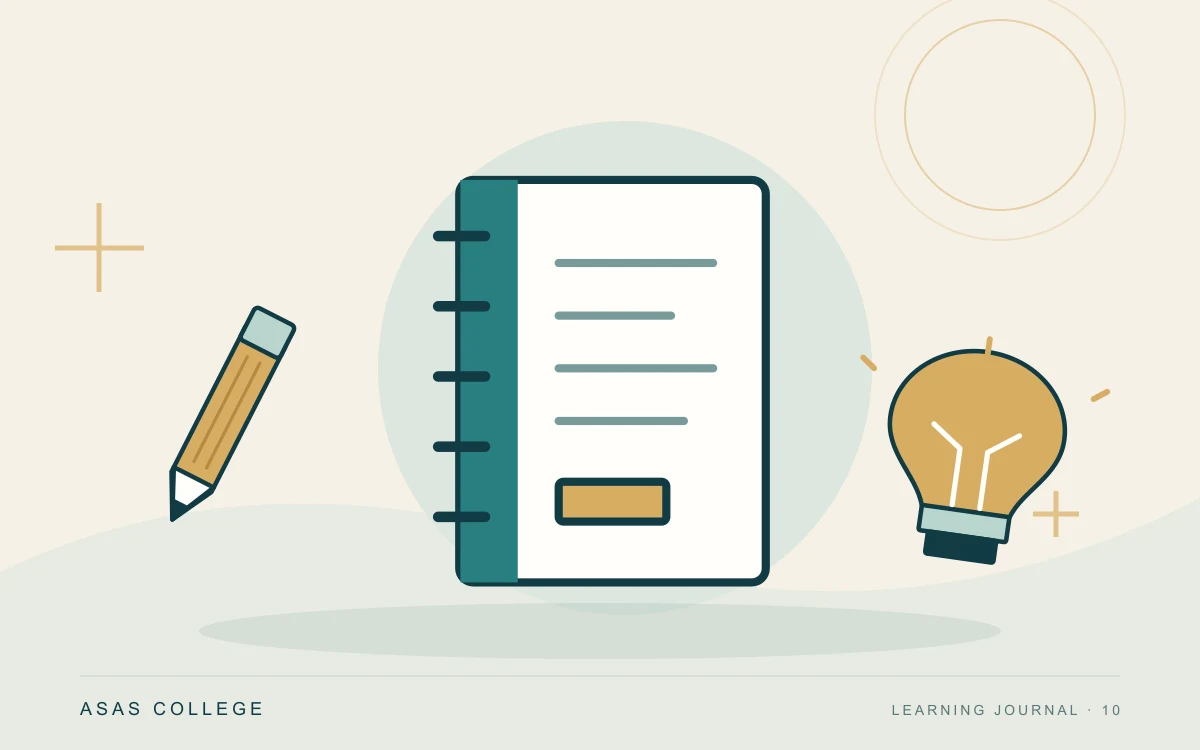
Reserve one area for the central idea, one for an example and one for questions. Put the lecture date and source at the top. If you copy an exact sentence, mark it as a quotation immediately. Leave space for later corrections so that an uncertain first interpretation does not become a permanent error.
Capture relationships, not every word
In a lesson about business decisions, write how a constraint changes the options rather than listing each slide heading. Use arrows, short definitions or a small comparison table where they clarify the connection. A brief example in your own words is often more useful than several unexplained technical terms.
Process the notes while the lesson is fresh
Add a three-sentence summary and turn the unanswered questions into a follow-up list. During revision, cover the explanation and use the question column as a prompt. Archive notes by topic as well as date, so a later assignment can draw together ideas from different teaching sessions.
Build a page you can revise from
For a lesson on opportunity cost, make the page heading a question: What do I give up when choosing this option? Under the key idea, write a definition in your own words and a short example involving time divided between two tasks. Note the definition source and an unresolved question in the margin, then add an application question with changed conditions. On returning to the page, you have a way to test understanding and explain the concept rather than wondering why you copied a long paragraph.
Avoid tidy notes that do little work
Formatting headings and colours can take more time than understanding the material. Choose a few consistent markers and distinguish source quotations, your interpretation and unresolved questions. If using a recording or automated transcript, check terminology and numbers rather than assuming the text is accurate, and follow the applicable recording and sharing rules. At the end of the week, test whether you can answer your notes’ questions without revealing the explanations. If not, revisit the idea itself before improving the page design.
Further reading
Image: original editorial artwork prepared for the Asas library; it illustrates the topic and does not depict an actual event or student.